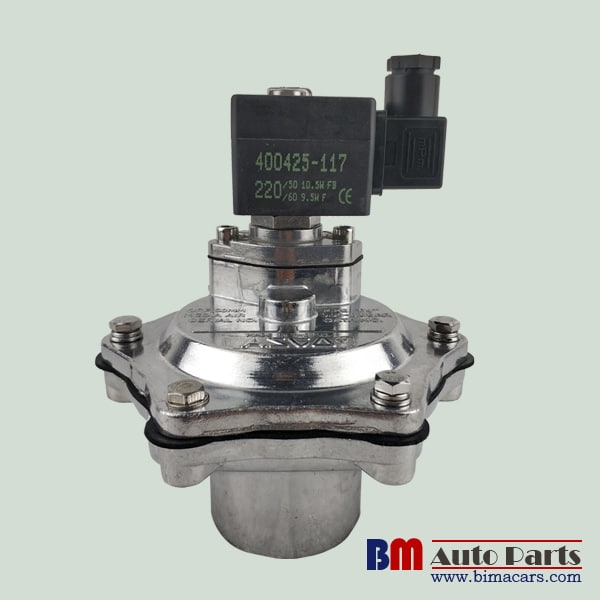
How to Choose the Right Diaphragm Repair Kit for Your ASCO Pulse Valve?
ASCO pulse valves are widely used in dust collector systems, pneumatic conveying, and industrial filtration. When a valve fails to close properly or leaks air, the most common culprit is a worn or damaged diaphragm. Instead of replacing the entire valve, using a high-quality diaphragm repair kit can save downtime and maintenance costs.
But not all repair kits are created equal. Choosing the wrong diaphragm can lead to repeated failures, poor pulse cleaning, and higher operating expenses. In this guide, we’ll walk you through the key factors to consider when selecting an ASCO pulse valve diaphragm repair kit.
1. Identify Your ASCO Valve Series Correctly
ASCO offers many pulse valve series, such as 353, 354, 357, 541, 542, and 551. Each series uses a specific diaphragm size, material, and sealing design. Before ordering a repair kit, check the label on your valve body or measure the old diaphragm’s diameter and thickness.
If the label is missing, common signs include:
- Valve body casting number
- Number of pilot ports
- Thread size of inlet/outlet
2. Check Diaphragm Material Compatibility
Most ASCO pulse valve diaphragms are made of NBR (Nitrile), EPDM, or FKM (Viton®). The right material depends on your operating environment:
- NBR – general compressed air, oil mist, temperatures -20°C to +80°C
- EPDM – hot air, steam, brake fluids (not oil resistant)
- FKM – high temperature up to 200°C, aggressive chemicals
Using an incompatible material will cause the diaphragm to swell, harden, or crack within weeks. Always match the original material or upgrade based on actual working conditions.
3. Verify the Inner Plate and Stem Design
A repair kit is not just a rubber disc. It includes a reinforcing fabric, inner metal/plastic plate, and sometimes a push stem. ASCO diaphragms may have single or double-layer fabric, different plate hole patterns, and stem lengths.
For example, the ASCO 353 series uses a small plate with three rivets, while the 541 series has a larger plate and a longer stem. Mixing these will cause the valve to stay open or fail to seal.
4. Avoid “Universal” Kits – Choose Engineered Replacements
Some suppliers sell “one-size-fits-all” diaphragm kits. These often lead to poor sealing, shortened life, and erratic pulsing. A properly engineered replacement kit is designed to match the original’s stroke, force, and closing speed.
For reliable alternatives to original ASCO parts, many plant engineers turn to BM Pneumatics. They provide precision-made diaphragm repair kits for ASCO 353, 354, 357, 541, 542, 551, and other series – with materials verified for industrial dust collector applications.
5. Inspect the Pilot Valve and Spring Condition
A new diaphragm will not fix a stuck pilot valve or a weak return spring. While replacing the diaphragm, also check:
- Pilot valve solenoid coil resistance
- Small orifice holes (clean with compressed air)
- Return spring free length and compression force
Some repair kits include the pilot valve gasket and spring. Always read the kit contents carefully.
6. Compare Price vs. Life Expectancy
A very cheap diaphragm may last only 3–6 months in continuous duty. A quality replacement from a reputable supplier can last 2–5 years. Calculate total cost of ownership: labor + downtime + part cost.
If you are looking for a cost-effective yet durable alternative to original ASCO diaphragms, BM Pneumatics offers OEM-grade repair kits at competitive prices with clear material specifications and batch traceability.
Quick Selection Checklist (Download / Save)
- ✅ ASCO valve series number
- ✅ Original diaphragm outer diameter & thickness
- ✅ Material type (NBR / EPDM / FKM)
- ✅ Plate hole pattern & stem length
- ✅ Pilot valve function & spring condition
- ✅ Supplier quality certification (ISO 9001 preferred)
Final Advice
Choosing the correct diaphragm repair kit for your ASCO pulse valve is straightforward if you follow the steps above: identify series, match material, verify internal design, and avoid universal parts. A well-chosen repair kit restores your dust collector’s efficiency and prevents unplanned shutdowns.
For ready-to-use ASCO replacement diaphragms with fast shipping and technical support, visit BM Pneumatics official website or contact their engineering team for help identifying your valve series.
Gary – Marketing Manager at BM Pneumatics
This guide is based on field experience from hundreds of dust collector maintenance projects.