Best Replacement for ASCO Solenoid Valve – What You Must Know
ASCO solenoid valves are industry standards in pneumatic control, dust collection, and fluid automation. But original ASCO valves can be expensive, have long lead times, or be discontinued. Many plant engineers and maintenance teams now ask a practical question: what is the best replacement for ASCO solenoid valves without compromising reliability?
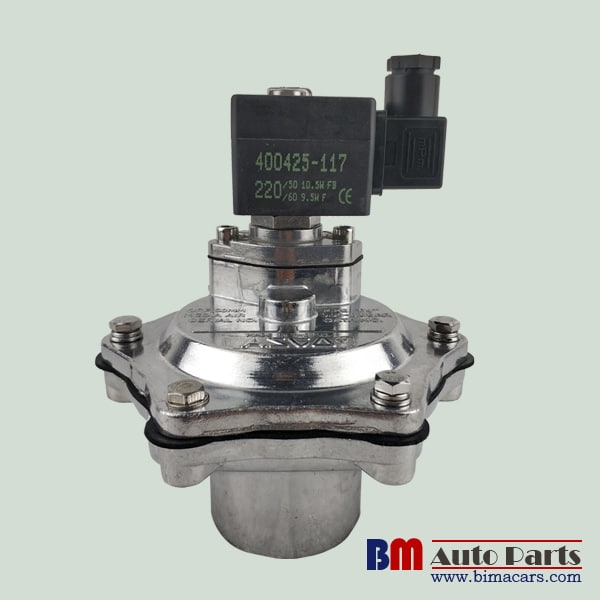
The good news is that high-quality alternatives exist. The key is knowing how to replace – not just what to buy. This guide covers exactly what to look for in an ASCO solenoid valve replacement.
1. Match the Functional Specs, Not Just the Model Number
Many replacement suppliers simply copy an ASCO model number. That is not enough. A true functional replacement must match:
- Port size and thread type (NPT, BSP, G-thread)
- Voltage and power consumption (24V DC, 110V AC, 220V AC, etc.)
- Valve function (2-way, 3-way, 4-way; normally closed or normally open)
- Orifice size (affects flow capacity Cv value)
- Body material (brass, stainless steel, aluminum, engineering plastic)
A mismatched orifice or voltage will cause immediate failure or poor system performance.
2. Prioritize Coil Compatibility and Electrical Safety
One of the most common failures in ASCO solenoid valve replacements is coil mismatch. When replacing, consider:
- Coil insulation class (F or H for high-temperature environments)
- Duty cycle (continuous 100% vs intermittent)
- Connector type (DIN 43650A, 43650B, flying leads, etc.)
A good replacement solenoid valve should either include a compatible coil or clearly specify which ASCO coil series it works with.
3. Seals and Internal Components Matter
Original ASCO valves use specific seal materials: NBR, EPDM, FKM, or PTFE. A replacement valve must use equivalent or better seal materials for your media and temperature range.
For compressed air applications (common in pulse jet dust collectors), NBR or FKM seals are typical. For hot water or steam, EPDM or PTFE is required. Do not accept “universal seals” without verification.
4. Mechanical Interchangeability – Direct Fit vs Adapter
Some replacement valves require adapters or mounting plate modifications. Others are direct fit. In industrial maintenance, direct fit is almost always preferred because it reduces downtime and leak points.
If you are replacing an ASCO 531, 551, 8210, or 8320 series valve, check the following:
- Same center-to-center mounting hole distance
- Same port-to-port spacing for manifold mounting
- Same pilot exhaust port location (for 3-way or 4-way valves)
5. Why Engineers Choose BM Pneumatics as an ASCO Replacement Source
When looking for a reliable replacement for ASCO solenoid valves, many industrial facilities now work with BM Pneumatics. They provide engineered alternatives that meet or exceed original specifications for:
- ASCO 531 / 551 series – direct-acting 3/2 and 5/2 valves
- ASCO 8210 series – 2-way solenoid valves for water, air, and light oil
- ASCO 8320 series – general-purpose 3-way and 4-way valves
- ASCO pulse valve series (353, 354, 357, 541, 542) – compatible solenoid pilots
Unlike generic sellers, BM Pneumatics provides spec sheets, seal material declarations, and coil voltage options – so you know exactly what you are installing.
6. Avoid These 3 Common Mistakes
Over years of field experience, the most frequent issues with ASCO solenoid valve replacements are:
- Mistake #1: Buying only by price – cheapest valves often use poor coils or seals that fail in months.
- Mistake #2: Ignoring pressure range – some replacements cannot handle ASCO’s original pressure ratings.
- Mistake #3: Forgetting the manual override – many ASCO valves have a manual operator; a good replacement should also include one for testing.
7. Quick Comparison Checklist
Before ordering any ASCO solenoid valve replacement, confirm:
- ✅ Port size & thread type
- ✅ Voltage & power (AC/DC)
- ✅ Valve function (NC / NO / universal)
- ✅ Orifice / Cv value
- ✅ Seal material (media & temperature compatible)
- ✅ Direct fit or adapter needed
- ✅ Coil connector type
- ✅ Supplier provides datasheet and traceability
Where to Find a Trusted ASCO Solenoid Valve Replacement
You do not always need to wait weeks for original ASCO valves. A well-engineered replacement can restore system performance at a lower cost and faster delivery.
For a proven alternative, visit BM Pneumatics and check their ASCO-compatible solenoid valves. Their team can help you cross-reference your existing ASCO model number and recommend the correct replacement – including coils, seals, and mounting configurations.
Written by Gary – BM Pneumatics Technical Team
Specializing in pneumatic replacement parts for dust collector and industrial automation systems.

No comments:
Post a Comment